
Every homeowner wants to see their property appreciate over time. Whether planning to sell in the near future or simply hoping to make smart investments, the goal is the same—maximize your home’s market value. Fortunately, there are proven, practical ways to enhance both appeal and worth. From exterior improvements that turn heads from the curb to smart interior updates that speak to modern buyers, the right changes can transform not only how your home looks but also what it’s worth. Some upgrades offer instant returns, while others build long-term value over time. Prioritizing projects that align with market expectations ensures you invest wisely. The following sections explore impactful improvements that go beyond basic maintenance, focusing on elements that attract attention and command higher offers.
Refresh the First Impression with Curb Appeal
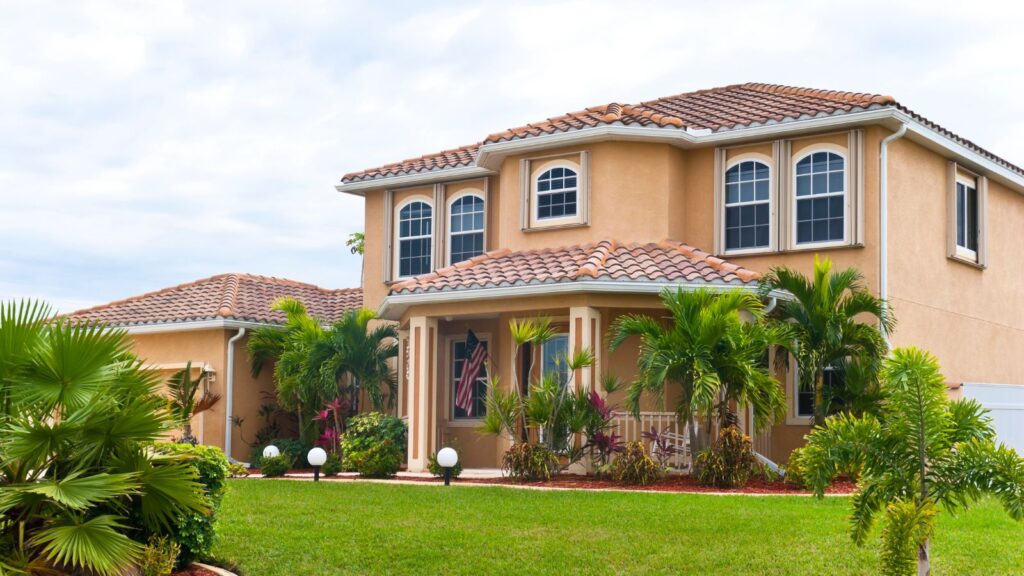
The exterior of a home sets the stage for everything inside. Buyers form opinions within seconds of arrival, and a well-maintained exterior suggests a home that’s been cared for throughout. Small updates like freshly painted trim, updated light fixtures, and a clean, modern mailbox can subtly signal quality. Replacing a worn front door with a steel or fiberglass alternative instantly adds security and style, while updated house numbers lend a contemporary touch.
Landscaping delivers an especially strong return on investment. Manicured lawns, trimmed shrubs, and seasonal flowers create a welcoming environment. Consider installing a simple stone walkway or mulching flower beds for a polished finish. For homes with porches or patios, tasteful furniture, and soft lighting add warmth and encourage buyers to linger and imagine themselves living there.
Pressure washing driveways, walkways, and siding remove years of grime in just a few hours, often revealing brighter finishes underneath. Gutters should be clean and functioning, and downspouts directed properly to protect the foundation.
Exterior maintenance matters just as much. Repair cracked sidewalks, repaint faded siding, and fix loose shutters. Even minor damage can plant seeds of doubt in a buyer’s mind. A bright, cheerful exterior invites curiosity and builds trust—two essential steps toward increasing home value and getting strong offers when the time comes to sell.
Invest in a Modern, Functional Kitchen
Kitchens consistently rank as one of the most important features for homebuyers. A well-designed kitchen is more than just attractive—it signals functionality, efficiency, and attention to detail. Updates in this space can yield significant returns, especially when balanced with the character of the home and surrounding neighborhood.
Cabinets don’t always need replacing. Painting dated cabinetry in neutral tones, swapping hardware for brushed nickel or matte black, and adding under-cabinet lighting can breathe new life into the room. Quartz or granite countertops remain highly desirable, especially when paired with a stylish tile backsplash that ties the look together.
Stainless steel appliances continue to appeal to a wide range of buyers, but energy-efficient models now matter just as much. Replacing outdated appliances with sleek, eco-friendly versions instantly upgrades the kitchen’s performance and visual appeal. If space allows, an island or breakfast bar can add extra prep space and informal dining options.
Flooring should be cohesive and durable. Replacing linoleum or outdated tile with luxury vinyl plank or engineered hardwood elevates the entire room. Soft-close drawers, pull-out shelves, and built-in organizers inside cabinets help the kitchen function more efficiently.
Lighting makes a big difference. Layer ambient, task, and accent lighting to create a bright, welcoming space. Pendant lights above islands and recessed lighting throughout offer a clean, modern look.
A kitchen doesn’t need to be top-of-the-line to increase value. Thoughtful upgrades that enhance usability and create a stylish, clean atmosphere are often more effective than luxury materials alone. The goal is to create a space where prospective buyers can envision themselves cooking, entertaining, and gathering comfortably.
Open Up the Floor Plan for Flow and Flexibility
The way people use space has changed, and homes that support modern lifestyles tend to hold greater appeal. Open floor plans remain popular for their flexibility, natural light, and sense of spaciousness. Removing non-load-bearing walls between the kitchen, dining, and living areas can transform the feel of an entire home without adding square footage.
This kind of update allows for better sight lines, improved traffic flow, and easier interaction between spaces. It also makes smaller homes feel significantly larger and more connected. While some buyers still appreciate defined rooms, many prefer adaptable layouts where the same space can be used in multiple ways.
Before making changes, it’s important to work with a contractor or structural engineer to identify which walls can safely be removed. Reinforcement with beams or columns may be necessary, but the results often outweigh the costs.
When reconfiguring the layout, think beyond aesthetics. Add electrical outlets where needed, improve HVAC distribution, and make sure lighting supports the room’s new function. Flooring should be continuous or carefully coordinated to maintain visual unity.
Even in homes where full wall removal isn’t feasible, widening a doorway or installing a pass-through can open up sightlines and make a noticeable difference. French doors or barn doors offer flexible privacy options for rooms that serve multiple purposes.
An open, adaptable floor plan creates a sense of potential that resonates with buyers. They can picture themselves hosting gatherings, supervising children, or simply enjoying the space in a more integrated way. This versatility can significantly boost both appeal and appraised value.
Upgrade Bathrooms for Comfort and Style
Bathrooms have evolved into spaces for relaxation and self-care, making them an important area to enhance when looking to add value. A fresh, updated bathroom doesn’t need to be extravagant to impress—it just needs to feel clean, efficient, and stylish.
Replacing outdated vanities with streamlined versions featuring stone countertops and modern sinks adds both form and function. Upgrading to high-efficiency toilets and water-saving faucets and showerheads appeals to eco-conscious buyers and can lower utility costs. Frameless glass shower enclosures offer a sleek, open feel, while updated tile work adds color and texture.
Lighting plays a crucial role. Swap harsh overhead bulbs for layered lighting, including sconces or backlit mirrors that provide flattering, task-oriented illumination. Heated floors and towel racks are small luxuries that leave a lasting impression.
Storage also matters. Consider recessed shelving in showers, built-in medicine cabinets, and floating shelves to maximize space without clutter. If there’s room, a double vanity is often a sought-after feature in primary bathrooms.
Neutral colors and simple design choices work best to appeal to the broadest audience. Avoid overly trendy patterns that may date quickly. Instead, focus on timeless materials like ceramic tile, brushed nickel finishes, and soft grays or warm whites.
A well-maintained bathroom free from moisture damage, mold, or mildew signals a home that’s been properly cared for. Buyers often associate bathroom condition with overall home quality, so upgrades in this space can yield powerful returns. Whether remodeling entirely or making a few smart changes, a refreshed bathroom adds comfort and value that buyers will notice.
Enhance Energy Efficiency Throughout the Home
Energy efficiency is more than a buzzword—it’s a feature buyers actively seek. A home that minimizes utility costs while reducing its environmental impact holds strong appeal, especially in competitive markets. Making a home more energy efficient can also lead to meaningful savings over time.
Start with insulation. Adding or upgrading attic and wall insulation helps stabilize indoor temperatures and reduces reliance on heating and cooling systems. Sealing leaks around windows and doors prevents drafts and improves comfort. Energy-efficient windows with low-E coatings not only lower bills but also reduce outside noise and UV damage to interiors.
Upgrading to a smart thermostat can optimize climate control and appeal to tech-savvy buyers. These devices learn household patterns, offering personalized energy savings without sacrificing comfort. Similarly, LED lighting throughout the home reduces electricity use while providing long-lasting, quality illumination.
Appliances play a big role, too. ENERGY STAR-rated washers, dryers, refrigerators, and dishwashers signal modern upgrades that support sustainability. Tankless water heaters and high-efficiency HVAC systems improve both performance and efficiency.
Solar panels, while a larger investment, can be a selling point in certain markets—especially when paired with energy monitoring systems that provide insights into usage. Even smaller updates, like installing ceiling fans or replacing outdated light switches with dimmers, contribute to a more efficient environment.
Energy audits can help identify areas of improvement and guide project priorities. Buyers are increasingly savvy about utility costs and environmental impact. A home that’s already optimized for energy performance stands out in listings and appraisals alike.
Add Usable Living Space Without Expanding the Footprint
Creating more functional space within a home often provides a higher return than adding square footage. Finished basements, converted attics, and enclosed porches or sunrooms add versatility and increase perceived value. These areas can serve as guest quarters, home offices, workout spaces, or media rooms—uses that align with how people live today.
Basements offer excellent potential. Adding moisture protection, flooring, drywall, and proper lighting transforms an unfinished area into livable space. Including a bathroom increases utility and appeal. Soundproofing and insulation help the space feel comfortable year-round.
Attic conversions work well in homes with high-pitched roofs and existing access. Dormer windows can improve headroom and natural light. These spaces are especially effective as private offices or reading nooks.
Sunrooms and enclosed patios create light-filled transitional spaces that extend usability without major construction. Heating and cooling systems, or at least ceiling fans and insulation, help these spaces function across seasons.
Garage conversions can be practical when off-street parking is still available. Whether used as a home gym, studio, or bonus room, this kind of update can add value without expanding the home’s footprint.
Storage shouldn’t be sacrificed in the process. Built-ins, hidden cabinetry, and multifunctional furniture can help retain order and organization. Buyers appreciate homes that make the most of existing space, especially when layouts support flexible use.
Smart, purposeful enhancements that unlock hidden potential in underused areas often appeal more than square footage alone. The key is creating finished spaces that feel intentional, livable, and seamlessly integrated into the rest of the home.
Prioritize Maintenance and Systems Upgrades
Behind-the-scenes systems may not be flashy, but they play a major role in how homes are valued. A property with updated mechanical systems, clean inspections, and a solid maintenance history tends to appraise higher and sell faster. Buyers feel more confident making strong offers when they know the home has been well cared for.
The roof is one of the most critical components. Replacing worn or damaged shingles, flashing, or gutters protects the entire structure and reassures buyers. Similarly, an updated HVAC system adds immediate value and comfort, especially when accompanied by service records that show regular upkeep.
Plumbing and electrical systems also deserve attention. Outdated wiring, fuse boxes, or corroded pipes can be deal breakers. Upgrading these elements improves safety and functionality while reducing the likelihood of inspection issues. Adding GFCI outlets in kitchens and bathrooms and ensuring the breaker panel is up to code are simple but effective measures.
Water heaters should be modern and efficient. Consider a tankless model or one with energy-saving settings. If a septic system is in place, it should be inspected and maintained prior to listing.
Smaller maintenance tasks contribute as well. Clean HVAC vents, replace filters, service fireplaces, and caulk around tubs and windows. These low-cost updates show attention to detail and help reduce red flags for potential buyers.
A home with no looming repairs feels move-in ready. Buyers may be willing to overlook cosmetic preferences when they see a solid foundation of maintenance. It’s about creating peace of mind—something that translates directly into offers and value.
Incorporate Smart Home Features and Technology
Technology integration is no longer a novelty—it’s becoming a standard expectation in many markets. Smart home features offer convenience, security, and energy savings, all of which increase perceived value. The good news is many of these upgrades are affordable and easy to install.
Smart thermostats are a top choice. They adapt to residents’ schedules, learn preferences, and reduce energy use without sacrificing comfort. Paired with mobile apps, they give homeowners remote control and peace of mind.
Security is another big draw. Smart doorbells with video capability, motion-activated cameras, and connected locks make homes feel safer and more responsive. Buyers appreciate the ability to monitor their property from anywhere, especially in urban or suburban settings.
Lighting and climate control upgrades also add value. Smart bulbs, switches, and voice-activated systems offer both convenience and energy efficiency. Zoning systems that control different parts of the house independently enhance comfort and performance.
Integrated speakers and entertainment systems, especially when built into walls or ceilings, appeal to buyers who value both aesthetics and functionality. Even simple additions like USB outlets or built-in charging stations reflect modern needs.
Smart irrigation systems, garage door openers, and water leak detectors round out the offerings. These features create a sense of control, reduce maintenance, and often lower insurance premiums.
The goal isn’t to turn a home into a tech showcase—it’s about making everyday life easier. Thoughtful technology enhancements resonate with buyers who want their homes to work smarter. When done well, these upgrades increase appeal without overwhelming the aesthetic or functionality of the home.
Ready to Sell? Let’s Maximize Your Return
Boosting your home’s value isn’t just about chasing trends—it’s about understanding what today’s buyers care about and delivering it thoughtfully. Every improvement, from curb appeal to smart technology, plays a role in how your home is perceived and how it performs on the market. If you’re considering selling, the right enhancements can make your property stand out and attract serious buyers.
When you’re ready to take the next step, reach out to discuss your goals and how to position your home for maximum return.